Workplace Social Partnership and the Journey to Industry 5.0
Kirchhoff’s journey over more than a decade exemplifies Industry 5.0 in practice through the use of digital technologies to create a more human centric, environmentally sustainable and resilient organisation.


Context
This case study describes a union-management partnership in Kirchhoff Automotive’s plant in Ireland, one which led to the transformation of working practices and to the achievement of substantial win-win outcomes for the company and its workers. Kirchhoff Ireland is 100% unionised.
SIPTU, Ireland’s largest trade union, established the Institute for the Development of Employees Advancement Services (IDEAS) in February 2001. Its primary focus is workplace innovation, education and research (particularly research involving workers, employment and trade unions). IDEAS’ principal role is to identify ways in which new thinking and new services can be introduced into the workplace for the benefit of employees and the enterprise as a whole. IDEAS began its involvement with Kirchhoff in 2010, stimulating a remarkable self-sustaining momentum of change within the company.
Kirchhoff’s journey over more than a decade exemplifies Industry 5.0 in practice through the use of digital technologies to create a more human centric, environmentally sustainable and resilient organisation.
Kirchhoff Automotive in Ireland is part of a wider international group, a Tier 1 Supplier delivering high-quality complex stampings and complete assemblies to global automobile manufacturers. It focuses strongly on JIT delivery with high standards of quality and service, listing BMW, General Motors, and Ford amongst its largest customers.
The plant’s location in the relatively remote North West of Ireland involves significant transportation of raw materials from central Europe, specifically Germany, adding to operational costs. This contrasts with competitors in Hungary and Poland who do not face these extra costs.
Above all, this case study demonstrates how union-led intervention can generate a self-sustaining momentum of workplace innovation firmly embedded within the culture and practice of an organisation.
The Start of the Journey
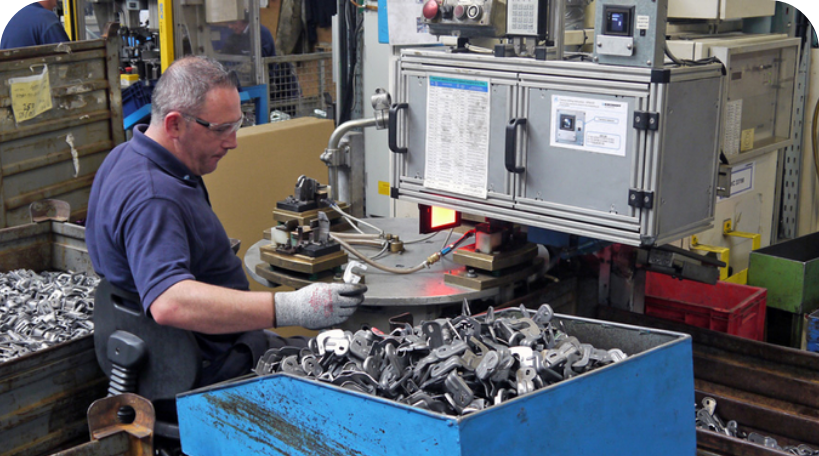
Sean McDermott’s 43 year career progression from apprentice tool maker to Managing Director of Operations at Kirchhoff Ireland means that he is well placed to understand the company at every level. During the early years of the current century, he was well aware that the company was facing management-union conflicts, In particular, the traditional piece work payment system caused instability in staff pay and led to frequent disputes with SIPTU. Customer complaints also presented a significant challenge to the company which, in the words of SIPTU Shop Steward Paul McGee, “cost a fortune”.
It was a local SIPTU official, Martin O’Rourke, who identified difficulties within Kirchhoff in 2010. Working with Sean and other managers, he initiated a joint union-management effort to address these issues, proposing a collaborative approach to improve competitiveness, upskill the workforce and address individual issues more constructively, thereby reducing union-management conflicts.
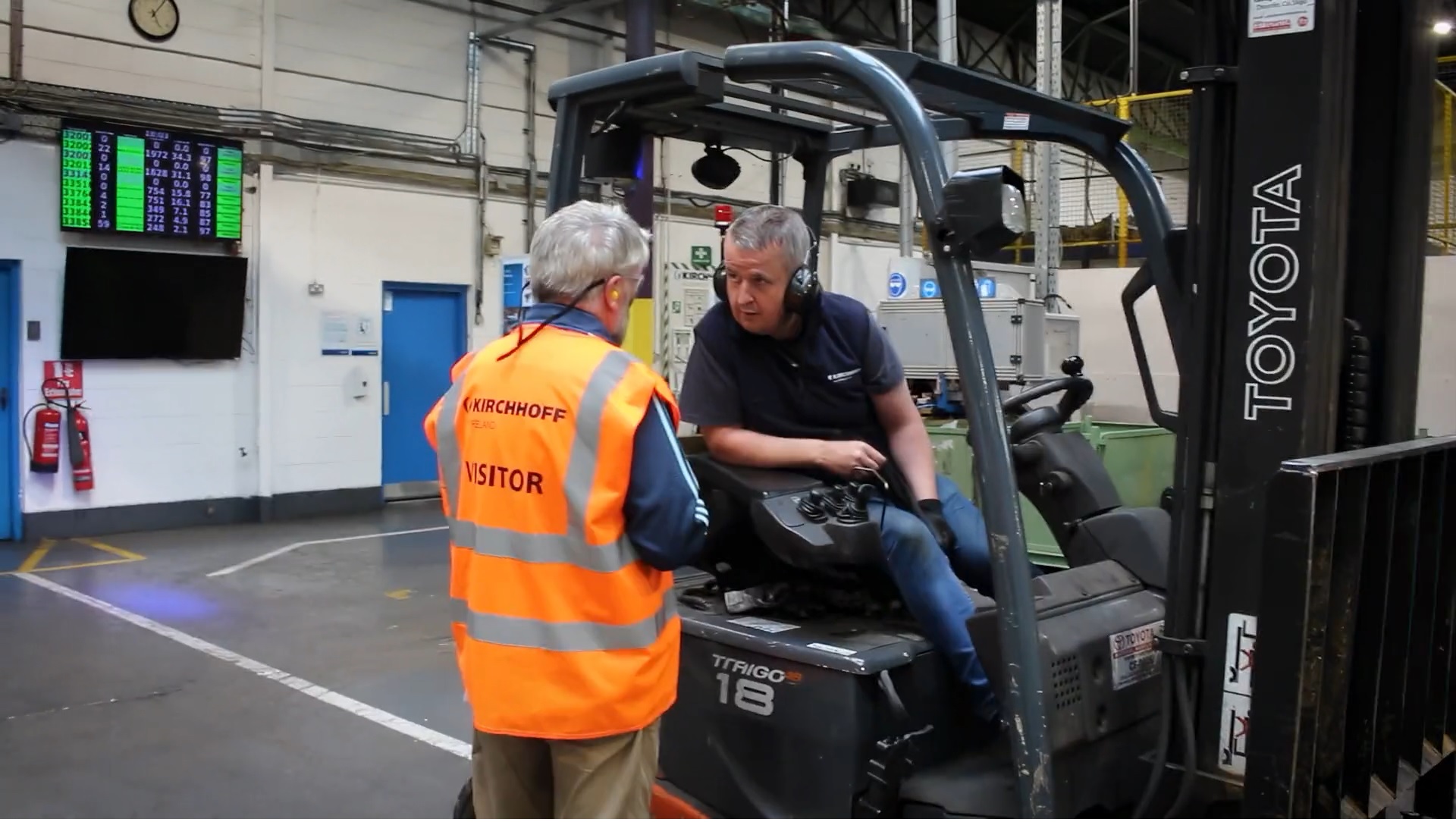
Enter Tony Murphy, an experienced workplace innovation facilitator from IDEAS. Under Tony’s guidance, a joint union-management Steering Committee was formed, consisting of Paul McGee, Sean McDermott, a forklift driver, tool makers, a general operator, and other managers. Its remit, according to a presentation delivered at the inaugural meeting, was to address communications, upskilling, union-management partnership, quality and “Health & Safety, Housekeeping and Environment (HSHE)” in order to ensure the continuation of profitable operations in Letterkenny to 2020 and beyond.
A key principle underpinning the Joint Steering Committee was that adversarial industrial relations or HR issues would be excluded from its agenda, focusing instead on collaboration and working together to make the plant more competitive.
At the outset, all Steering Committee members underwent formal teamwork training together, designed to foster a non-adversarial, cooperative environment. The training course, accredited by Quality Qualifications Ireland and the Department of Education, concluded with all participants receiving formal qualifications. In particular, the course highlighted the importance of team working skills in achieving organisational change.
Operations Director John Roulstone emphasises the importance of Tony’s role in coaching the management side in how to build a positive relationship with the union, as well as “to get away from a blame culture by having regular interaction with everybody involved in the process”.
For Paul McGee, the course empowered people with the skills and confidence to “put up their hand and ask questions – because there’s no stupid questions”.
Paul McGee played a key role as a champion of the new culture, helping overcome resistance and scepticism. His positive relationship with Sean McDermott began to exemplify the emerging partnership culture. Paul did encounter some suspicion amongst the workforce: “People were very nervous. ‘Is this the company trying to get one over us?’ That was hard for us to sell, so we had to get to the low hanging fruit, the easy ones.”
The Steering Committee conducted a gap analysis to identify the current state of the art at Kirchhoff and to define future objectives, leading to a vision for operating effectively and profitably in Letterkenny by 2020. Seeking collective support for the journey ahead, a clear plan for the future was presented to, and was eventually supported by, the entire workforce.
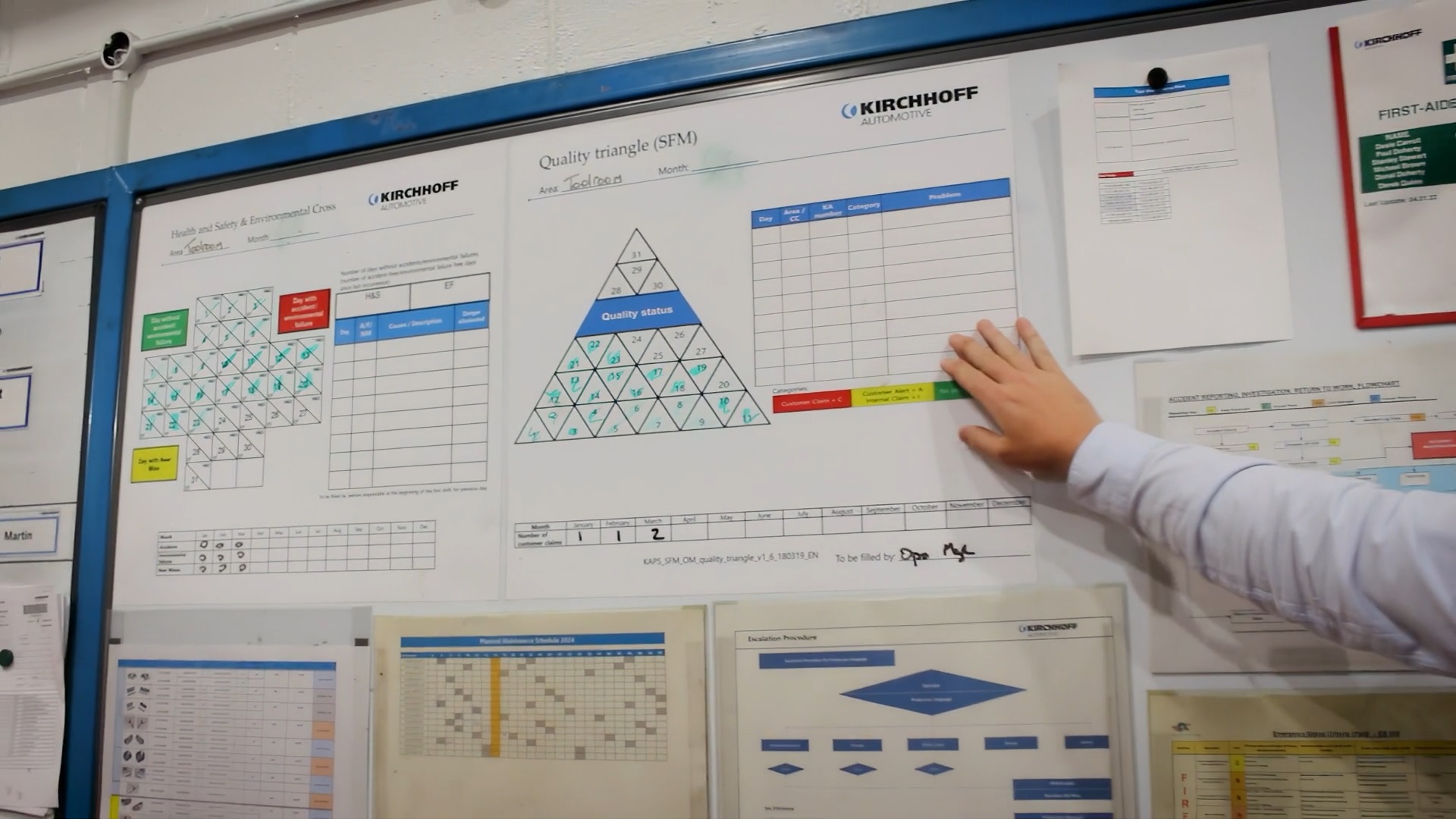
An early milestone was reached when the Steering Committee successfully implemented a 5S project in a specific department, demonstrating the effectiveness of the partnership model and strengthening the legitimacy of the approach through visible improvements in organisation and efficiency. One early win lay in developing a collaborative approach to root cause analysis of customer complaints, and resulted in a significant reduction in their frequency.
The Steering Committee subsequently decided to adopt a lean manufacturing approach across the plant, with a strong emphasis on collaboration supported by the appointment of lean manufacturing champions from within the workforce.
A significant operational issue identified was the inefficient handling of heavy tools, leading to excessive time spent locating and moving them. A study revealed that some 1968 hours a year were spent looking for, finding and moving tools unnecessarily. A simple yet effective solution was implemented by introducing a clear storage and signage system, drastically reducing unnecessary labour hours.
A Partnership Agreement
Alongside partnership with the union, distancing HR from production issues in the plant was a key element in building trust between management and the workforce, dismantling the blame culture and recognising that most manufacturing issues were technical rather than personnel-related.
A new company-union agreement was developed over two years, focusing on fairness and proper processes including the abolition of piece rate and subsequently the introduction of a bonus system based on KPIs. This agreement, which is still the basis for operations nearly 15 years later, has been a key foundation for the company’s growing success. The Steering Committee also led a transition from yearly to three-year pay agreement processes, eventually extending to five-year deals. This was aimed at reducing time spent on negotiations and providing a stable basis for planning labour costs, benefiting both the business and the workforce.
More recently the company has also established a ten-year strategic perspective, enhancing workforce confidence and direction.
Contextualising Lean Production
As potential challenge appeared in 2011 when Kirchhoff began to roll out a corporate approach to lean production, with the support of Porsche Consultancy. The consultants undertook a similar exercise to the gap analysis previously undertaken by the steering team, and created “lighthouse projects” to disseminate the corporate lean manufacturing approach.
In short, the strength of the foundations laid in 2010 provided the Steering Committee with the knowledge and ability to adapt and contextualise a generic corporate approach to lean in ways that maximised its effectiveness whilst embedding partnership and human perspectives.
Changing Work Practices
The efforts initiated in 2010 led to a major cultural shift within the organisation, emphasising transparency, collaboration, and employee involvement. This change was supported by both the Joint Steering Committee and senior management, leading to innovative changes and a more effective competitive environment. The development of soft skills within the workforce has been central to establishing this culture of collaboration.
A critical examination of spending within the plant led to the realisation that some managerial roles were adding cost without adding value. This prompted a decision to remove certain management layers. Over time, a less hierarchical management structure has evolved across the organisation. Many traditional management roles have been eliminated, thereby reducing conflict and fostering a more collaborative work environment.
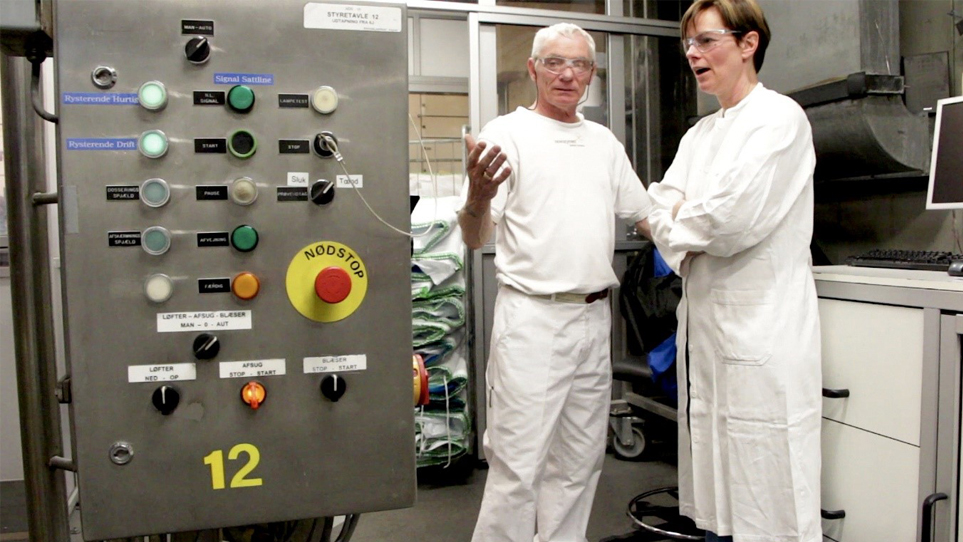
The Steering Committee emphasises the importance of workers owning their processes. A very evident difference between now and 2010 is that the role of the operator within the company is significantly elevated, harnessing their unique insights gained from direct interaction with the machinery. Operators have gained more autonomy in day-to-day operations, taking lead responsibility for quality, making sure that the process is correct and being empowered to stop the machine if something isn’t right. They can digitally register maintenance issues, enabling the maintenance team to plan preventative actions based on this data. This collaboration fosters a service-oriented relationship between operators and the maintenance team, aiming to prevent future issues.
Different departments work together as a single team, facilitated by digital communication tools that enhance collaboration and facilitate horizontal information sharing and problem solving.
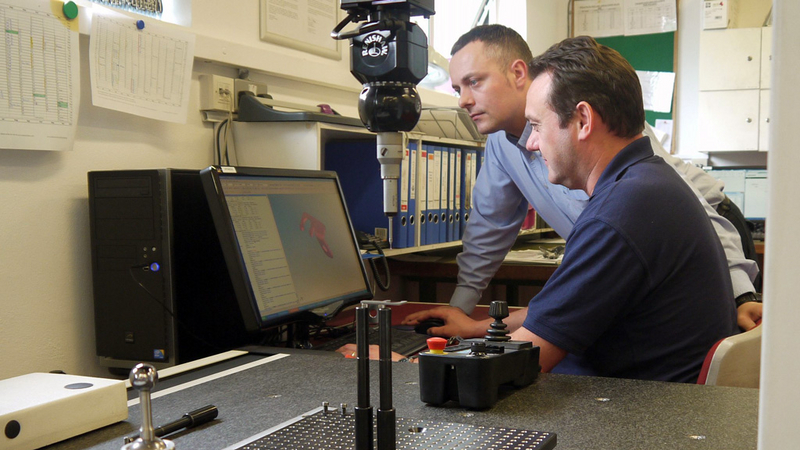
Tool makers are one example of a fully autonomous team, taking on tasks such as assessing work, ordering parts, and working with external tool makers. Involving tool makers in the design stage ensures that tools are easy to maintain and function properly. This benefits both the company and the tool makers by reducing labour costs and maintenance issues.
Shift leaders also have a role in gathering ideas from the shopfloor and bringing them to daily plant management meetings. Ad hoc workshops – currently around 16 a year – are another effective tool for stimulating new ideas. The number of ideas generated each month is measured, together with the percentage of those actually implemented as part of a company-wide KPI.
Digitalisation and Skills
Sean and Tony both highlighted the transition to digital operations, noting that the plant has secured production contracts running up to 2032 thereby enabling substantial investments in new technologies. Both also point to the long-term benefits such as process optimisation and increased productivity per employee, leading to strengthened competitive advantage that can secure the plant’s future.
Acknowledging the workforce’s initial fear of new technologies, the Steering Committee implemented a digital training programme in collaboration with SIPTU. This programme aimed to increase digital confidence amongst the workforce, ensuring they were comfortable using the new technologies. Individual development plans enable each employee to prepare for new technologies by identifying personal learning and skill gaps. The partnership agreement with SIPTU also ensured that none of the digital production data would be used by HR to measure individual performance.
Automation has led to a shift in roles rather than a reduction in employment, with operators developing the collaborative and digital skills that have enabled them to take on different processes, whilst creating a continuous need for skill upgrades. The aim has been to build a learning culture within the plant, reflecting the fast-changing nature of digital technologies and (especially) AI.
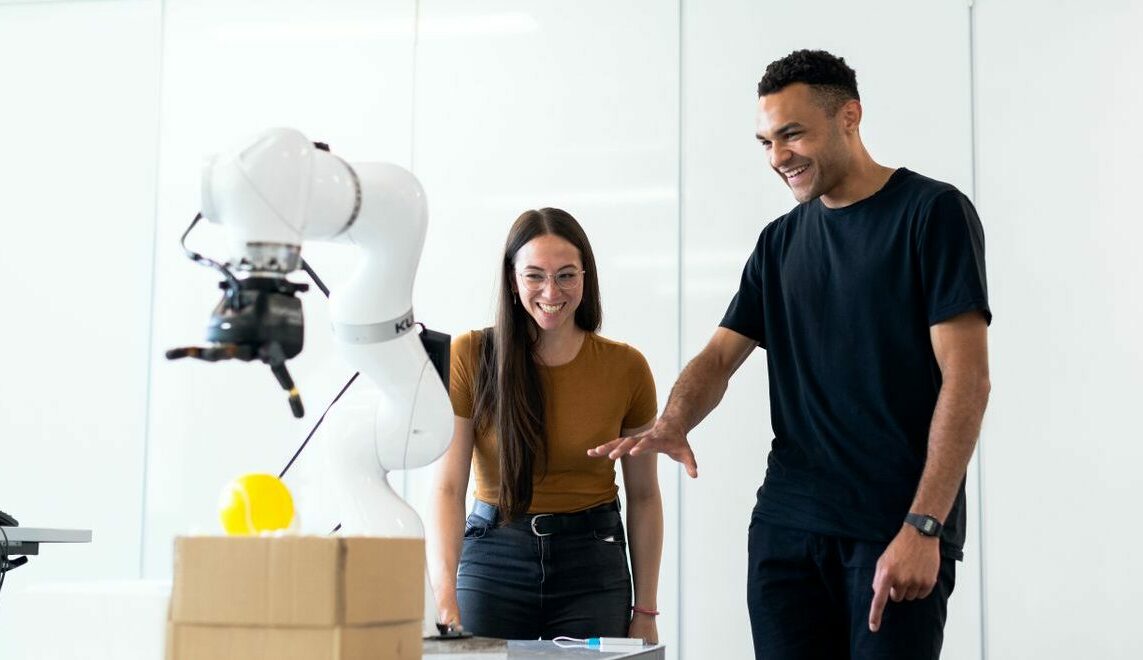
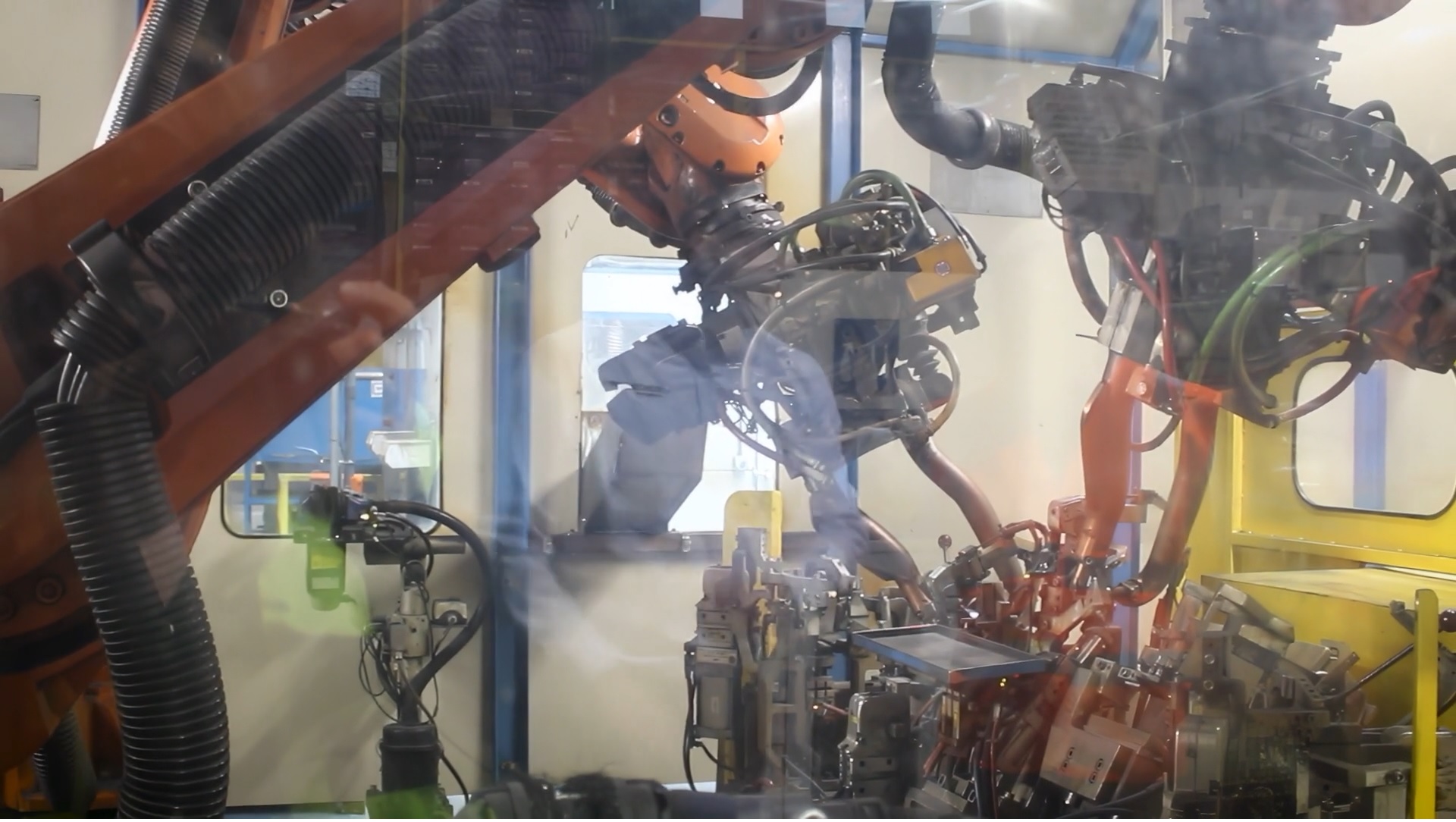
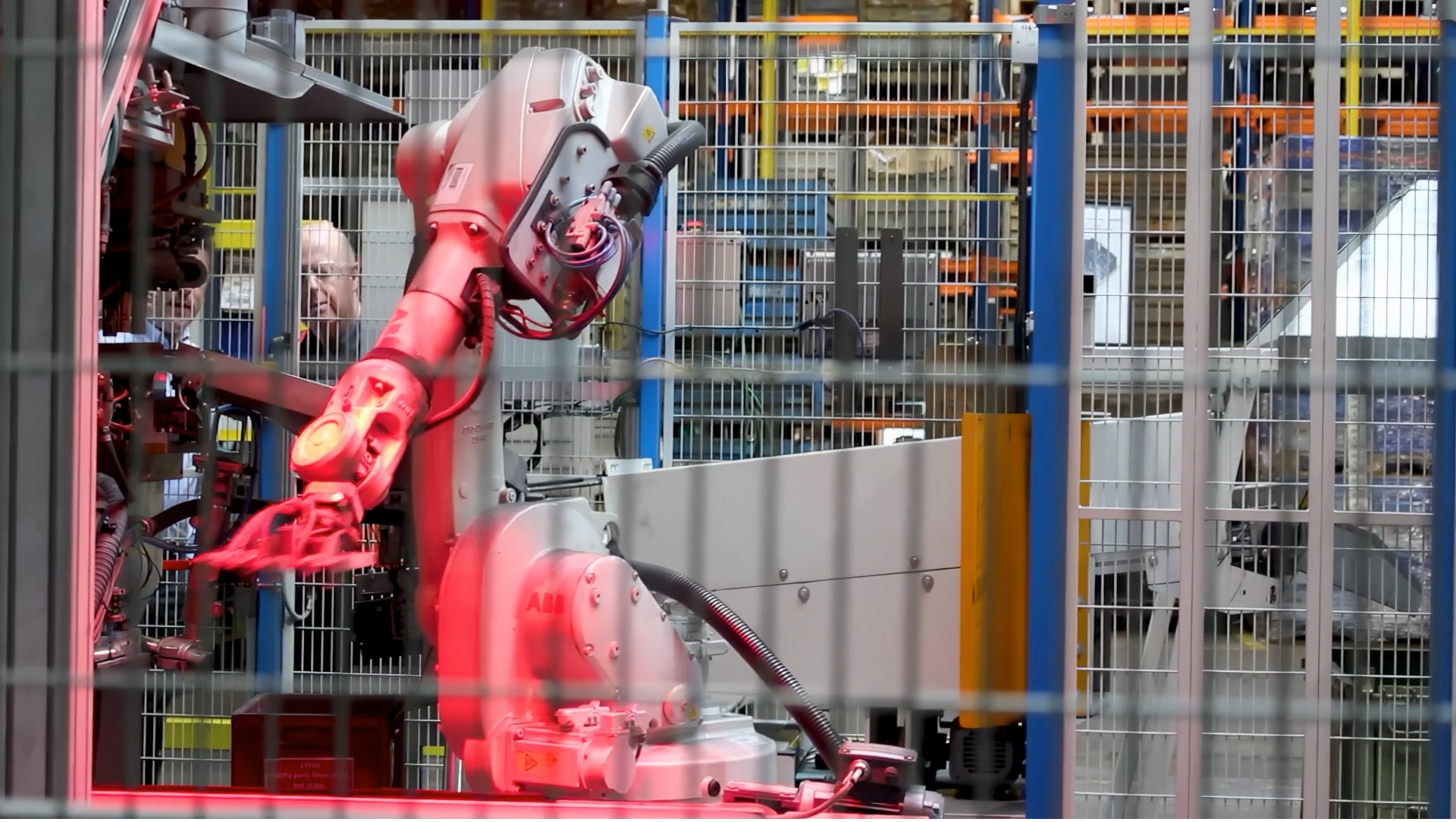
The company is building on its digital foundation to incorporate more robotics, with plans to introduce 10 to 12 new robots in the next year or two in areas such as arc welding. This will diversify the plant’s product portfolio whilst also enabling an increase in capacity without reducing headcount. For workers, the complexity of their tasks will increase as will their role in ensuring quality as the industry adopts a zero defect philosophy. Upskilling will clearly continue to play an important role in achieving that goal.
The Legacy
Explore other case studies
Our blogs
Keep up to date with i5.0 articles and research.