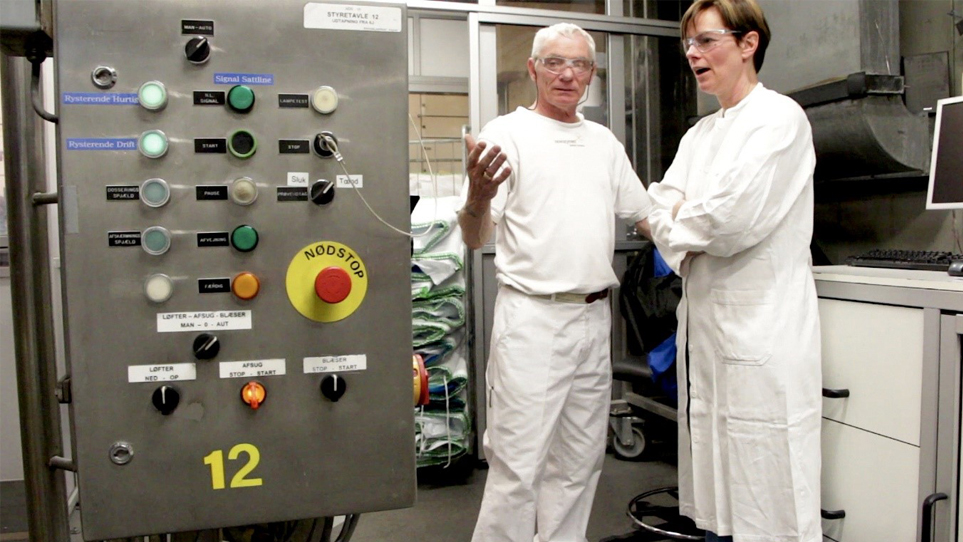
Learning to work with new technology

Workers preparing for i5.0 need to focus on adaptability, human-machine collaboration, sustainability, and lifelong learning. Unlike past industrial revolutions, i5.0 puts people—not just productivity—at the centre of progress.

Here’s a clear, practical breakdown:

Key Themes of i5.0

  • Human-centric: Technology serves people, not the other way around.
  • Sustainable: Economic growth must align with environmental responsibility.
  • Resilient: Systems must withstand shocks (e.g., pandemics, cyber-attacks, supply chain issues).

How Workers Can Prepare:

Why? As machines take over repetitive tasks, soft skills are increasingly critical.

Focus On:

  • Creativity & Innovation: Solving problems machines can’t.
  • Communication & Collaboration: Especially in diverse, tech-integrated teams.
  • Emotional Intelligence & Empathy: Crucial for leadership, service, and human interaction roles.
  • Decision-making in uncertain environments.
Why? You don’t need to be a coder—but you must understand how technology works and where it fits.

What to Learn:

  • Basic AI & Automation concepts (how they affect your job)
  • Working with Cobots (collaborative robots)
  • Data Literacy: Reading dashboards, interpreting trends, making data-informed decisions
  • Cyber-security awareness: Especially if your role uses connected devices

Tip: Use low-code/no-code platforms to automate routine tasks.

Why? Industry 5.0 evolves quickly. Relying on skills you learned years ago won’t be enough.

What to Do:

  • Take micro-courses (e.g., Coursera, LinkedIn Learning, Udemy)
  • Attend workshops, webinars, or on-the-job training
  • Ask your employer about reskilling and upskilling opportunities
  • Stay informed about trends in your industry

Why? Environmental and social responsibility will shape how businesses operate.

Steps:

  • Learn the sustainability goals (ESG) of your company or industry
  • Ask: How can I reduce waste, energy, or resource use in my daily work?
  • Get familiar with green technologies, recycling processes, or sustainable supply chains

Why? Automation and disruption mean roles will change, sometimes unexpectedly.

How to Prepare:

  • Diversify your skillset so you can move laterally, not just upward
  • Learn how your role fits into the bigger picture (supply chain, customer needs, etc.)
  • Get comfortable with hybrid or remote work environments
  • Improve your digital communication and self-management skills

Why? Industry 5.0 isn’t human vs. machine, but human + machine.

Example Roles:

  • A machine operator who understands how to tweak AI-assisted controls
  • A healthcare worker using AI diagnostics but making the final call based on empathy and experience
  • A customer service agent who uses chatbots for routine queries but takes over for complex, emotional cases

Why? Learning from others keeps you adaptable and forward-looking.

How:

  • Join industry-specific forums or communities (e.g., trade unions, online groups)
  • Attend local meetups or webinars on tech and sustainability
  • Connect with younger workers to exchange tech-for-experience knowledge

Final Advice:

“Industry 5.0 doesn’t mean competing with machines. It means using technology to do more meaningful, human work.”

Even if you’re not in a “tech job,” Industry 5.0 will touch your role. The best preparation is to stay curious, keep learning, and embrace change as a constant companion.

Sign up to unlock more content

Our blogs

Keep up to date with i5.0 articles and research.

  • Novozymes is a biotech-based company, headquartered in Denmark and employing approximately 6,000 people in 30 countries. Innovation and sustainability are core to Novozymes’ business values and objectives.

  • Europe’s push for strategic autonomy will rise or fall on how work is organised. Beyond factories, chips and critical raw materials, the decisive question is whether our workplaces can learn faster, innovate continuously, and deliver both productivity and quality jobs. That is the promise of workplace innovation—and why it belongs at the centre of Industry 5.0.

  • Will the share of monotonous, repetitive jobs decrease, or will new ones be created? Will there be fewer dangerous jobs, or will new dangerous tasks emerge? Will algorithmic management of workers lead to greater efficiency, or will it also bring permanent surveillance and privacy problems? And so on.