“One very effective way to do this is a process known as foresighting. This involves identifying and assessing emerging technologies, needs and problems, and tailoring initiatives to meet these needs. Participants at the roundtable were introduced to some ‘out of the box’ methods to support the foresighting process.” Novozymes’ website.
The business is also very open in its relations with others in its field with partnering seen as a key competency in the drive towards sustainability and to “effectively create and build businesses that can help change the world.”
“At Novozymes we understand the invaluable connections that take place when the right minds find each other. We see innovation-driven partnerships as a key element of delivering tomorrow’s biosolutions, and are looking for companies and technologies to help us develop and market the next generation of ideas.” Novozymes’ website.
Novozymes also acknowledges the importance of driving innovation from the bottom up and understands that engaging with the shop floor is good for employees and good for productivity.
Rosemary Exton and Professor Peter Totterdill met with Line Sandberg, Vice President, Novozymes and Anders Hentze Knudsen, the United Federation of Danish Workers Shop Steward at Novozymes to discuss working practices at the company’s Bagsvaerd operation in Denmark.
The discussion highlighted the ways in which strong partnership between management and unions can transcend traditional industrial relations agendas, empowering frontline workers in day-to-day decision-making and actively involving them in improvement and innovation.
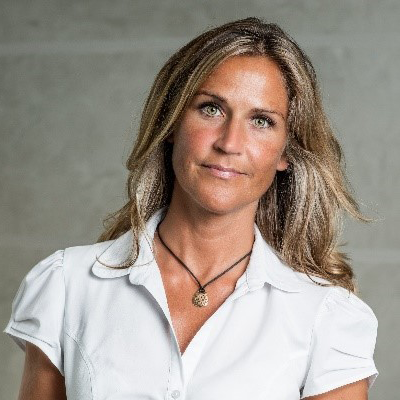
“What’s essential or what’s unique about Novozymes is that we have a very, very strongly embedded improvement culture.” Line Sandberg
“It’s very important that we involve the employees and the unions. Novozymes has a very long tradition for involving each other in almost everything, that makes things come easier to the employees.” Anders Hentze Knudsen
“If they have good ideas and if it can be done, we do it.” Line Sandberg
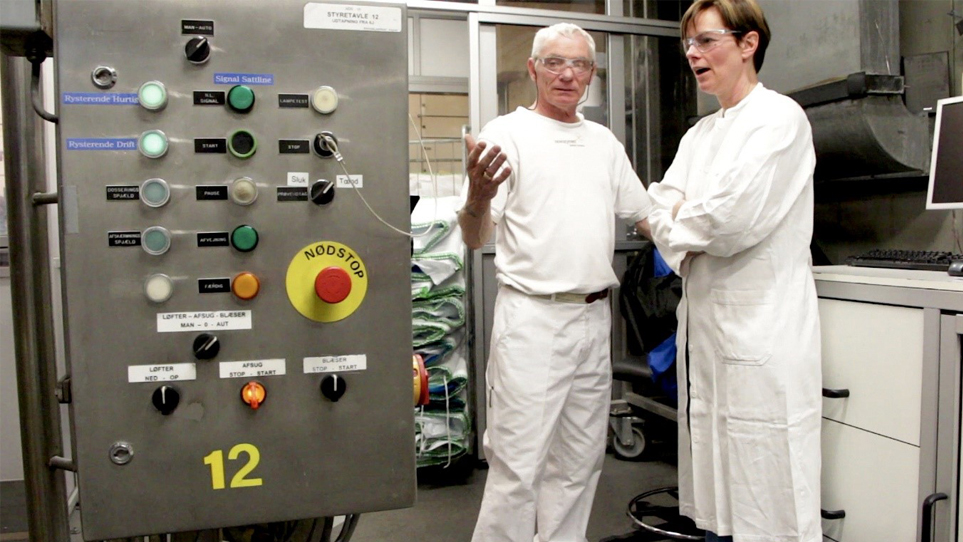
“We want to keep focussed on where the value is created which is out in the factories.”
Line Sandberg
“They (the operators) are dedicated and committed to fulfil their roles even though they may be working without a leader in the room.” Anders Hentze Knudsen
“It’s very much up to each work centre what they want to put on the board and what they want to talk about. It’s a little bit different from place to place. In some cases they speak about how much do we need to produce today, how many people do we have, what resources do we have today, do we need to reorganise or do we need to change the way that we operate? In other cases they would have a smiley system, one to five how are we doing today, is it a good day or is it a bad day and if it’s a bad day, why is it a bad day, what’s going on? So it’s also a way of talking about how people are feeling.” Line Sandberg
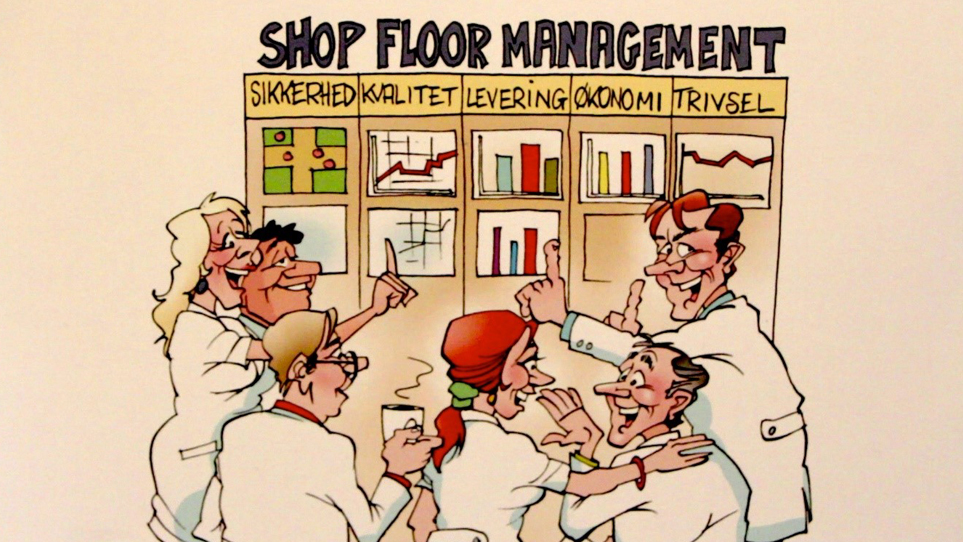
For Novozymes, ‘Shop Floor Management’ is a way of creating a forum where there is dialogue between employees who are working in the daily operations, the manager and the technical support. It is about ensuring effective and prompt responses to day to day problems, harvesting observations and ideas wherever they come from and seeing that they are communicated across groups and across shifts. It’s leadership on the shop floor.
The company acknowledges workplace innovation as an important idea but does not conceptualise it because they see it evolving from their everyday activity. Where there is a constraint or a problem to solve and that calls for a change in the way that they operate or a new training requirement, they don’t theorise about it but get on and do it.