The Bridges 5.0 Teaching Factory Intervention at Infineon: Building Human-Centric Skills for Remote Operations

How Infineon used an experiential, workshop-based Teaching Factory approach within the EU Horizon Bridges 5.0 project to help shop-floor experts transition into a Remote Operation Control Centre (ROCC) and make faster, more confident decisions in a highly automated environment.
Introduction
Infineon’s Industry 5.0 journey starts from a simple premise: people remain the main asset of manufacturing, especially as factories become more connected, data-rich, and automated. In this context, “human centricity” is not a slogan—it is a design principle for how technology, processes, and roles should evolve so that employees can perform their jobs with clarity, confidence, and impact.
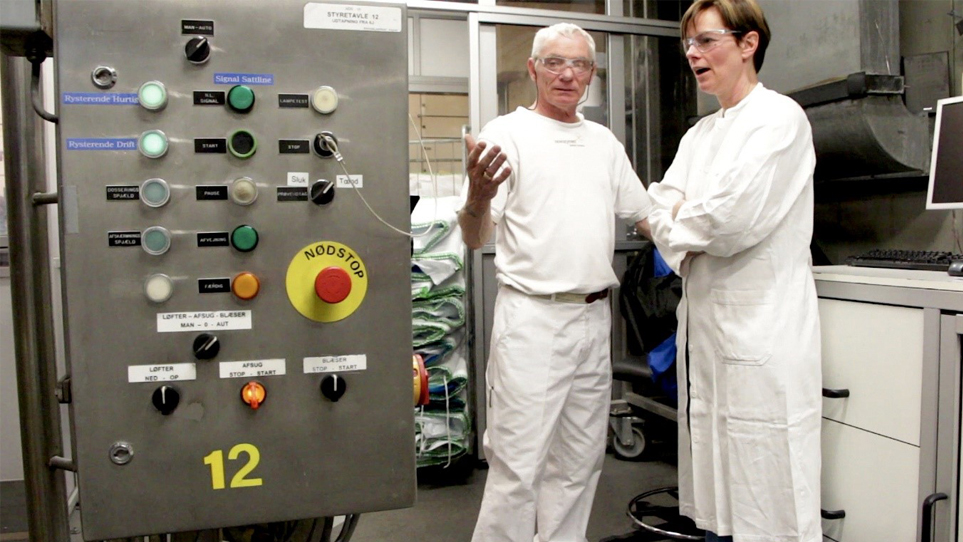
The challenge addressed by the Teaching Factory intervention emerged from operating in two realities at once: a highly automated production environment running in parallel with manual ways of working.
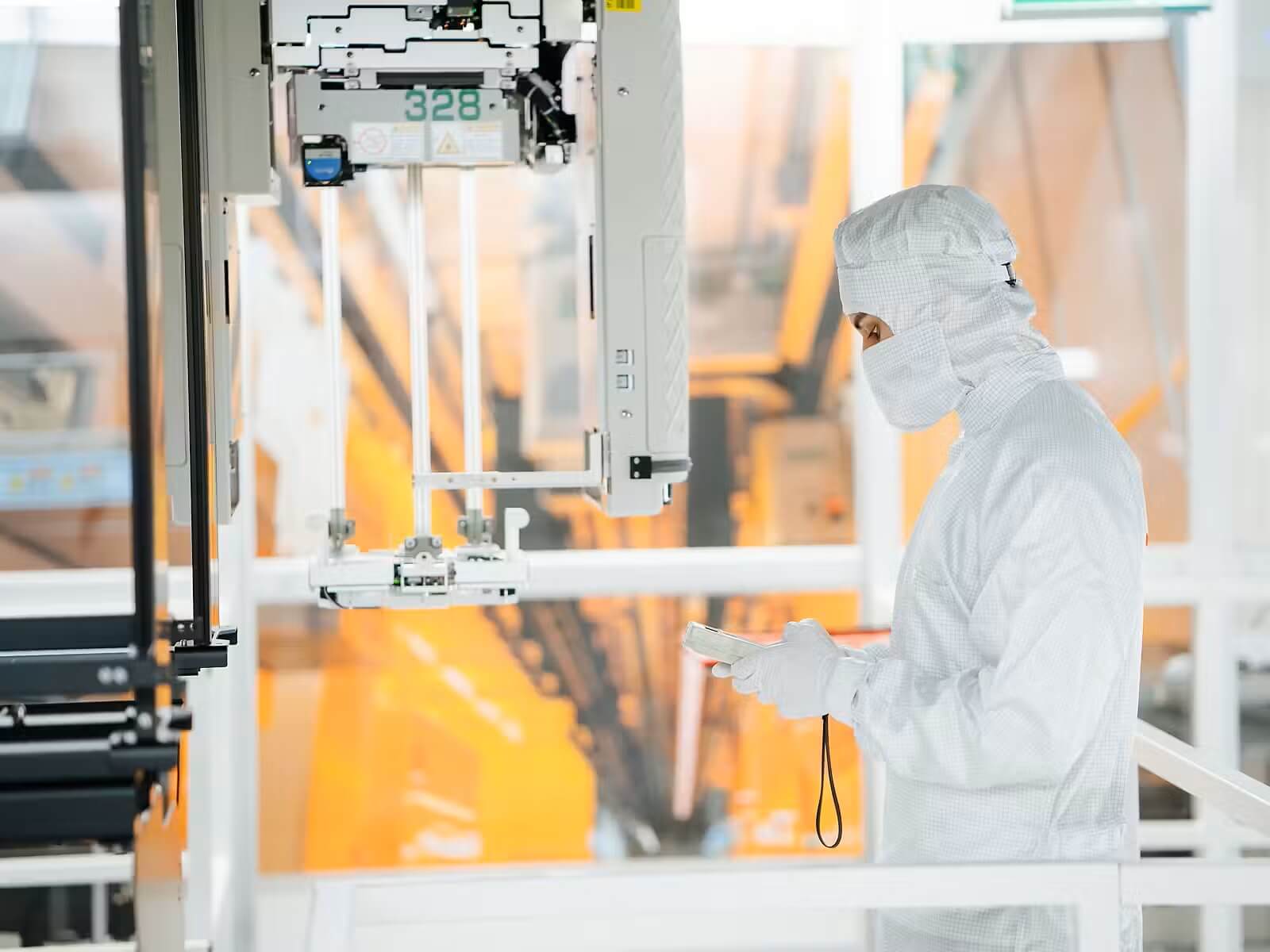
At the same time, part of the tasks previously performed at shopfloor level was transitioning to be executed remotely through a Remote Operation Control Centre (ROCC). This change of working set-up required more than new screens and dashboards—it required new ways of deciding, communicating, and coordinating under time pressure.
What the Teaching Factory intervention aimed to achieve
At Infineon, the Teaching Factory intervention was designed to support a concrete organizational and operational shift: enabling employees who previously worked primarily on the shop floor to take on roles that require remote coordination and decision-making in the ROCC. The goal was to bring human decision processes “to the front” by combining existing production systems with more intelligent data aggregation—so that people can act based on facts, context, and shared situational awareness.
Because the ROCC model changes how information flows and how teams interact, Infineon’s approach focused on capability-building—not only technical (hard) skills, but also soft skills such as communication, conflict management, and decision-making in critical situations. The intervention was structured as experiential learning within the Bridges 5.0 project, and it emphasized involving employees early in the design phase to better align outcomes with end-user needs and to smooth acceptance of the new set-up.
Who the intervention was for: the target group
The primary target group was Infineon’s logistic problem-solving experts—people involved every day in coordinating, prioritizing, and resolving issues, including decision-making responsibilities. Their core competence is grounded in hands-on experience: they understand equipment-level problem solving and the realities of production disruptions. In the ROCC context, that expertise remains crucial, but the role expands: decisions need to be taken around the clock (24/7), with information coming from multiple sources and different stakeholders impacted.


How the Teaching Factory worked at Infineon (step-by-step)
Learning design: why experiential formats mattered
The “Teaching Factory” label reflects how the learning was organised: not as a lecture, but as a practical sequence of workshops, group activities, and structured discussions built around realistic situations. Interactive formats—such as simulations, role-playing exercises, and scenario-based practice—created a safe environment for participants to rehearse how they would interpret information, exchange updates, handle tensions, and make decisions when the environment is chaotic or critical.
A central insight was that, in many ROCC situations, soft skills can be as important as (or more important than) deep technical expertise on a single tool: communication and interaction shape how quickly a team converges on the right action. Therefore, the intervention explicitly strengthened communication skills and conflict management, aiming to help employees stay calm and decide based on facts and arguments—especially when decisions need to be made quickly and their impact ripples across the factory.
Outcomes: what changed after the intervention
Infineon monitored the training effects before and after the intervention and observed clear shifts. Participants reported higher awareness and more clarity on roles, along with stronger engagement with the complexity of the environment. In the weeks following, teams were seen to operate differently—most notably with greater confidence when coordinating and deciding from the ROCC.
The training also facilitated acceptance of the remote-control room set-up—both the technologies introduced and the new communication interfaces that come with remote coordination. Importantly, the ROCC role represented an “upscaling” in organisational responsibility: decisions that were previously taken mainly by leaders or management could, in many logistic situations, be made by the employee directly, with escalation reserved for exceptions. This shift supports faster response times and can reduce micro-management, while giving leadership teams more assurance that decisions are made consistently and with the right context.

Explore other case studies
Our blogs
Keep up to date with i5.0 articles and research.