Why shop-floor tech doesn’t always stick – and what ERREKA tried to change
Factories are investing heavily in Industry 4.0 tools—dashboards, sensors, automated quality checks—yet many teams still struggle to get lasting value from them. At ERREKA (Matz Erreka), the question wasn’t whether the technology worked. It was whether the organisation was set up so people could use it confidently, every day, to make decisions and solve problems.

The Teaching Factory intervention in Erreka, before and after.
What the intervention set out to do
Instead of running another technical training for operators, the intervention focused on the conditions that make empowerment real: attitudes, behaviours, and everyday management practices. The underlying idea was simple—when people have the autonomy, support, and clarity to act on what the data shows, existing automation starts to pay off. The work emphasised a more human-centred way of running the organisation and building resilience (the ability to adapt when problems arise), with sustainability expected to improve indirectly as decisions and routines get better.
Who took part
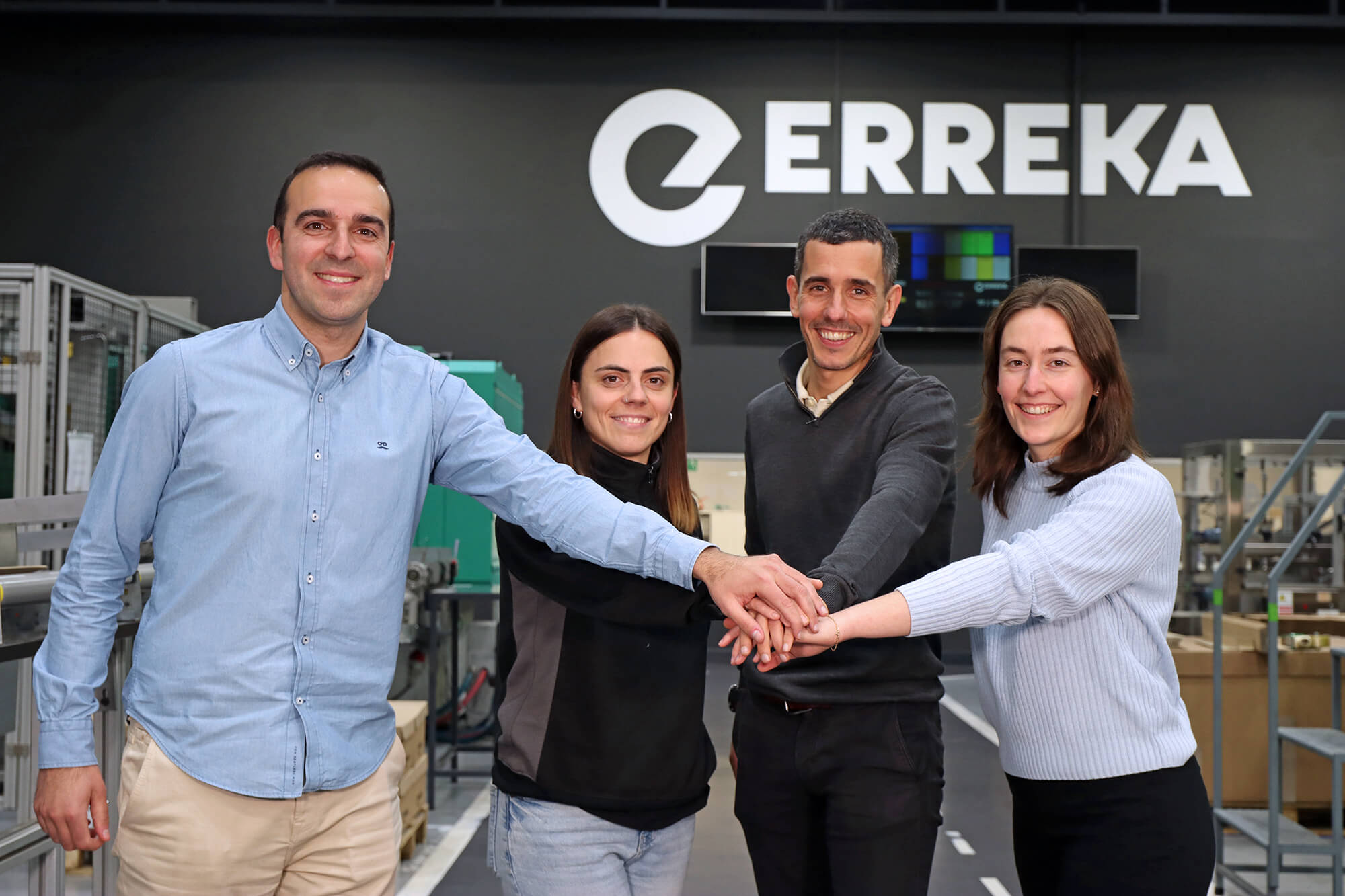
Led by Unai Elorza of Mondragon University as part of the HORIZON Bridges 5.0 project, the main focus of the Teaching Factory was on the people who shape how work gets done: managers and engineers/technicians. At ERREKA, a small mixed group from these roles joined the sessions, reflecting the premise that technology adoption lives or dies in day-to-day leadership decisions—how roles are defined, how problems are handled, and who is trusted to act.
The real barrier: not capability, but the way work is organised
In this view, “low value from installed technology” is a signal of a wider organisational issue. If people are not expected—or enabled—to interpret information, make decisions, and follow through, then even good tools sit unused. The intervention therefore concentrated on managerial awareness and workplace practices that support an empowered role on the shop floor, so data and automation become part of everyday problem-solving.

What “good” looked like
Explore other case studies
Our blogs
Keep up to date with i5.0 articles and research.