
Human-Centricity

Jobs and workplaces enable all employees to realise their full potential through job autonomy, opportunities for learning and development, and a voice in decision-making. Technologies enhance – not replace – human skills and potential, minimising repetitive work and enabling employees to focus on higher-level tasks.
Human centred workplaces play a central role in Industry 5.0, creating the conditions under which the best possible synergies can be achieved between human potential and digital potential. Whilst digital technologies can lead to major gains in productivity and relieve workers of arduous and repetitive tasks, it is only the human capacity for reflection, learning and creativity that differentiates companies in the market and generates competitive advantage.
The concept of human centricity is not new. For example, since the early years of this century the workplace innovation movement has focused on ways in which performance gains can be achieved simultaneously with enhanced quality of working life including job autonomy, opportunities for learning and development, and wellbeing. Within this tradition, The Fifth Element approach identifies four bundles of interrelated practices strongly associated win-win outcomes for companies and workers.
Defining human centricity is still a matter for debate within Industry 5.0. The most convincing argument may be that it refers to process, operation and outcomes.
Process refers to the active participation of employees in decision-making relating to the design, procurement and implementation of new technologies that affect their work. This enables the tacit knowledge, experience and creativity of employees to be deployed in identifying opportunities for automation or digitalisation and in its introduction.
Operation relates to the use of technologies that enhance the operator’s autonomy and skills. Examples include the provision of data that enables operators to engage not just with one machine but the entire production process, co-ordinating with colleagues to organise tasks collectively; likewise technologies should empower operators to solve most problems without specialist support.
Outcomes describe gains in terms of job quality and wellbeing, with benefits for the company including employee engagement, recruitment and retention.
In human centric workplaces, empowered and highly competent workers will also make major contributions to delivering the other Industry 5.0 pillars (Sustainability and Resilience), for example by identifying opportunities for improvement and innovation to reduce environmental impact, becoming active champions of cyber security, and enabling quality improvements in the supply chain.
Our blogs
Keep up to date with i5.0 articles and research.

Unlike past industrial revolutions, i5.0 puts people—not just productivity - at the centre of progress.
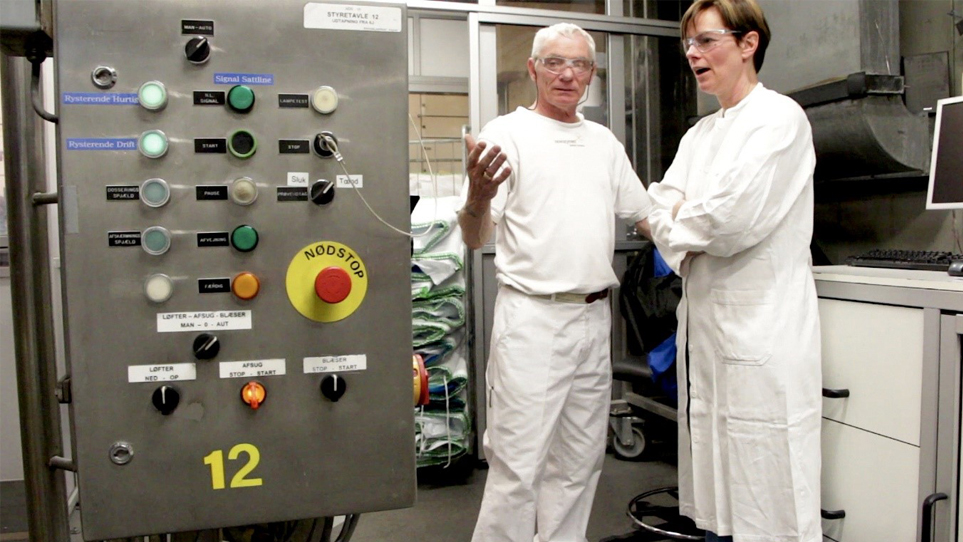
Novozymes is a biotech-based company, headquartered in Denmark and employing approximately 6,000 people in 30 countries. Innovation and sustainability are core to Novozymes’ business values and objectives.

Europe’s push for strategic autonomy will rise or fall on how work is organised. Beyond factories, chips and critical raw materials, the decisive question is whether our workplaces can learn faster, innovate continuously, and deliver both productivity and quality jobs. That is the promise of workplace innovation—and why it belongs at the centre of Industry 5.0.