
Resilience

Resilience refers to the need to develop a higher degree of robustness in industrial production, arming it better against disruptions and making sure it can provide and support critical infrastructure in times of crisis. Geopolitical shifts and natural crises such as the Covid-19 pandemic and the war in Ukraine highlight the fragility of our current approach to globalised production. It should be balanced by developing sufficiently resilient strategic value chains, adaptable production capacity and flexible business processes.
Digital technologies such as simulations and AI-enhanced modelling can help with identifying alternative paths in the event of disruption, identifying the greatest points of vulnerability in processes or supply chains, isolating the key inputs, and then formulating contingency planning for any disruptions.
We might easily imagine that in human centric workplaces, empowered and highly competent workers make major contributions to delivering resilience by active engagement in improvement and innovation activities aimed at stimulating improvements in the supply chain. Workforces should also be engaged in understanding and enhancing cyber security, involving close collaboration between management and employees.
Our blogs
Keep up to date with i5.0 articles and research.

Unlike past industrial revolutions, i5.0 puts people—not just productivity - at the centre of progress.
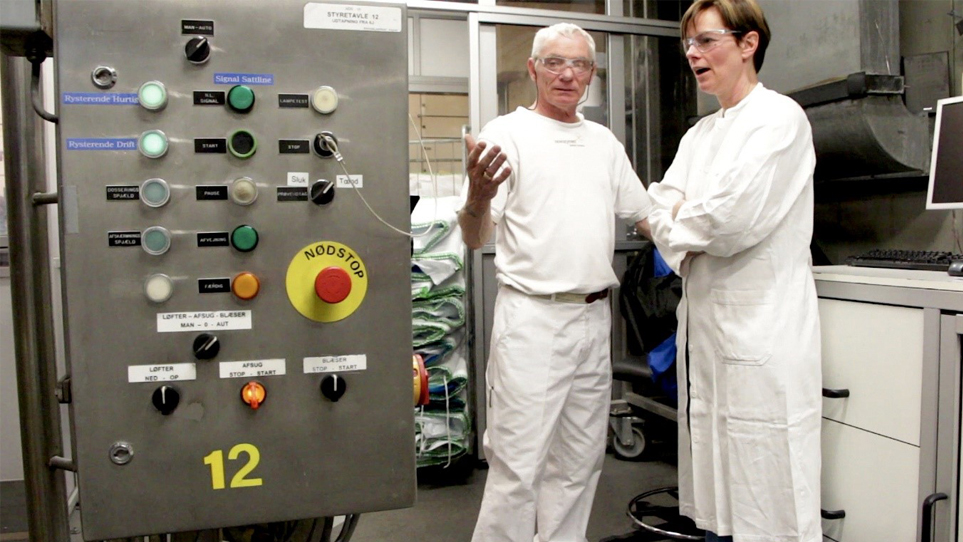
Novozymes is a biotech-based company, headquartered in Denmark and employing approximately 6,000 people in 30 countries. Innovation and sustainability are core to Novozymes’ business values and objectives.
Europe’s push for strategic autonomy will rise or fall on how work is organised. Beyond factories, chips and critical raw materials, the decisive question is whether our workplaces can learn faster, innovate continuously, and deliver both productivity and quality jobs. That is the promise of workplace innovation—and why it belongs at the centre of Industry 5.0.