
Sustainability

Companies are deeply committed to reducing their environmental impact by reducing consumption of energy and materials, for example through circular production and recycling. Every employee has the opportunity to contribute to ideas and initiatives for a greener future in their daily work.
Business sustainability can help future-proof businesses in the face of climate breakdown and natural challenges. It can also help you take advantage of the significant business opportunities related to these challenges.
Being sustainable means respecting planetary boundaries. Industry needs to develop circular processes that re-use, re-purpose and recycle natural resources, reduce waste and minimise environmental impact. Sustainability means reducing energy consumption and greenhouse emissions, and avoiding the degradation of natural resources, ensuring the needs of today’s generations without jeopardising the needs of future generations. Technologies such as AI and additive manufacturing can play a large role here, optimising resource efficiency and minimising waste.
There is also a strong business case for sustainability. Reducing waste and energy consumption can cut costs, whilst cutting down on the use of natural resources also minimises the risk of disruption to supply. An authentic commitment to sustainable production strengthens brand reputation and builds trust amongst the public, customers, investors and employees.
Sustainability is also linked to human centricity and needs commitment from people at every level of the organisation. Developing a net zero strategy is not only an ideal way for a company to declare its ambition, objectives, targets and proposed actions, it’s also an opportunity to make sure that the whole organisation is invested in the journey towards sustainability. Training employees in sustainability and environmental impact may also enhance workforce engagement.
It’s particularly important to seek out ideas from within the business, and to look for ways to incorporate these ideas into your sustainability strategy. A workplace culture in which employees are empowered to drive improvement and innovation will also boost sustainability in ways that can’t be foreseen.
The European Commission’s Eco-Management and Audit Scheme (EMAS) contains useful resources for evaluating, reporting and improving the environmental performance of organisations, and the U.S. Environmental Protection Agency also offers an extensive list of tools to support sustainability. Trade union confederation IndustriALL has also curated a collection of case studies showing how the green transition is being implemented on the ground based on broader principles of sustainable development and decent work.
Our blogs
Keep up to date with i5.0 articles and research.
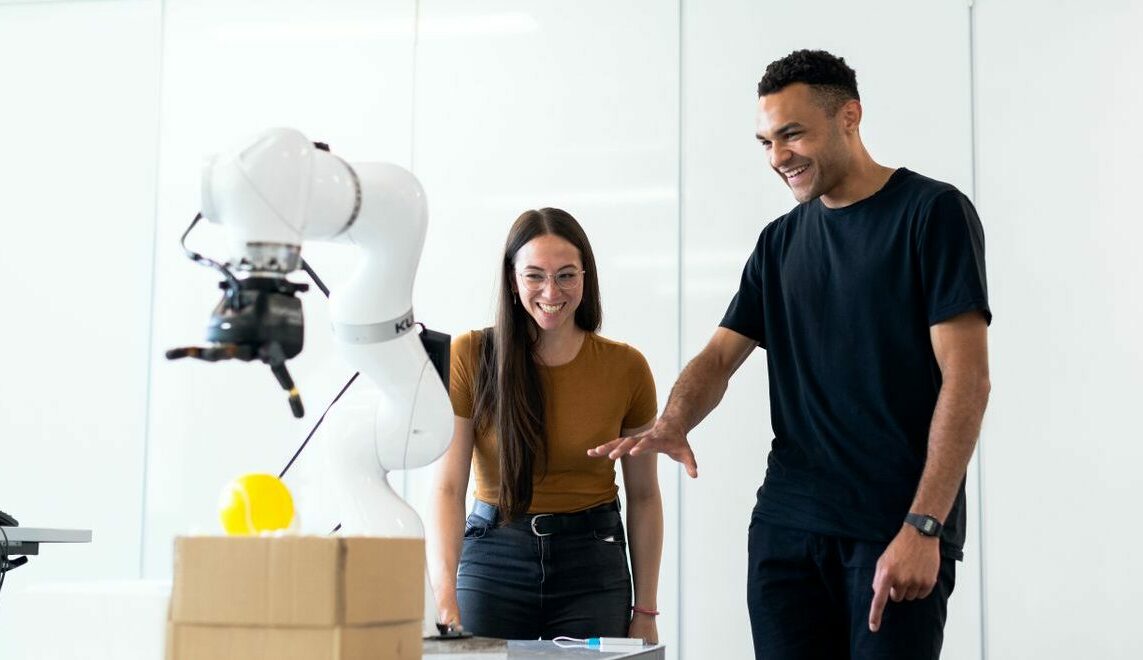
Unlike past industrial revolutions, i5.0 puts people—not just productivity - at the centre of progress.
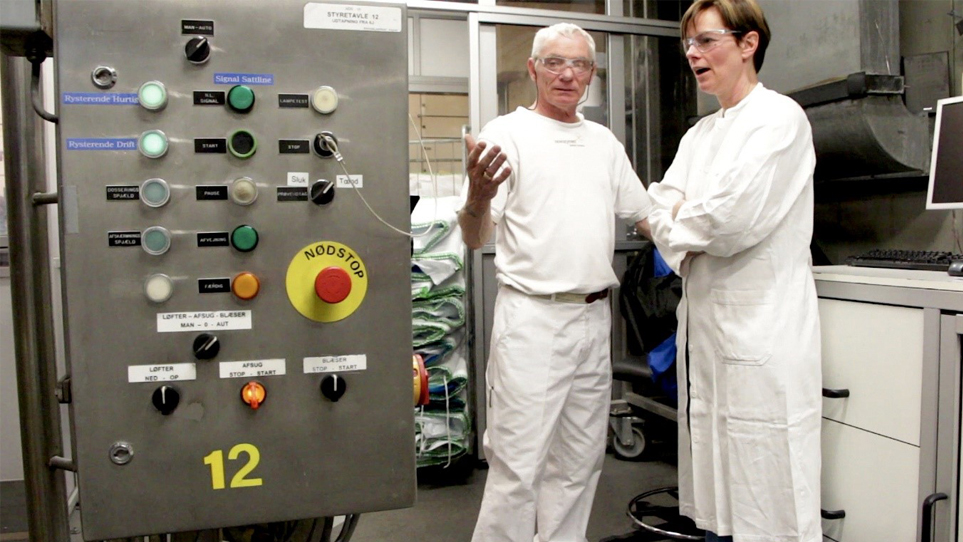
Novozymes is a biotech-based company, headquartered in Denmark and employing approximately 6,000 people in 30 countries. Innovation and sustainability are core to Novozymes’ business values and objectives.
Europe’s push for strategic autonomy will rise or fall on how work is organised. Beyond factories, chips and critical raw materials, the decisive question is whether our workplaces can learn faster, innovate continuously, and deliver both productivity and quality jobs. That is the promise of workplace innovation—and why it belongs at the centre of Industry 5.0.